This blog post was written by Casey Willis, AL Healthy Kids, Healthy Future Coordinator with the Alabama Partnership for Children.
As a mom, developmental specialist, and nutrition educator working with early childhood programs across the state of Alabama, I spend a lot of time talking about the importance of exposing children to healthy foods, creating positive mealtime experiences, and giving children opportunities to learn where their food comes from. This year, my family had the chance to put many of those ideas into practice in our own kitchen.
Since March, we have been members of Howling Fresh Farm’s Community Supported Agriculture (CSA) program in Huntsville, Alabama, and it has become one of my favorite experiences we’ve shared as a family.
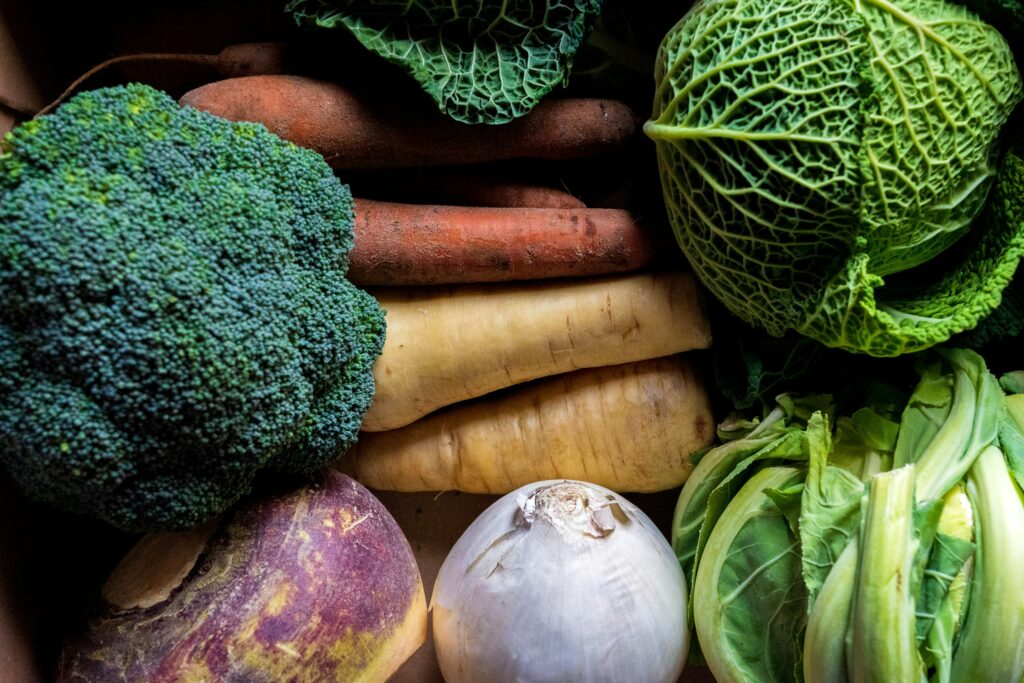
Photo courtesy of Howling Fresh Farm.
So, What Is a CSA?
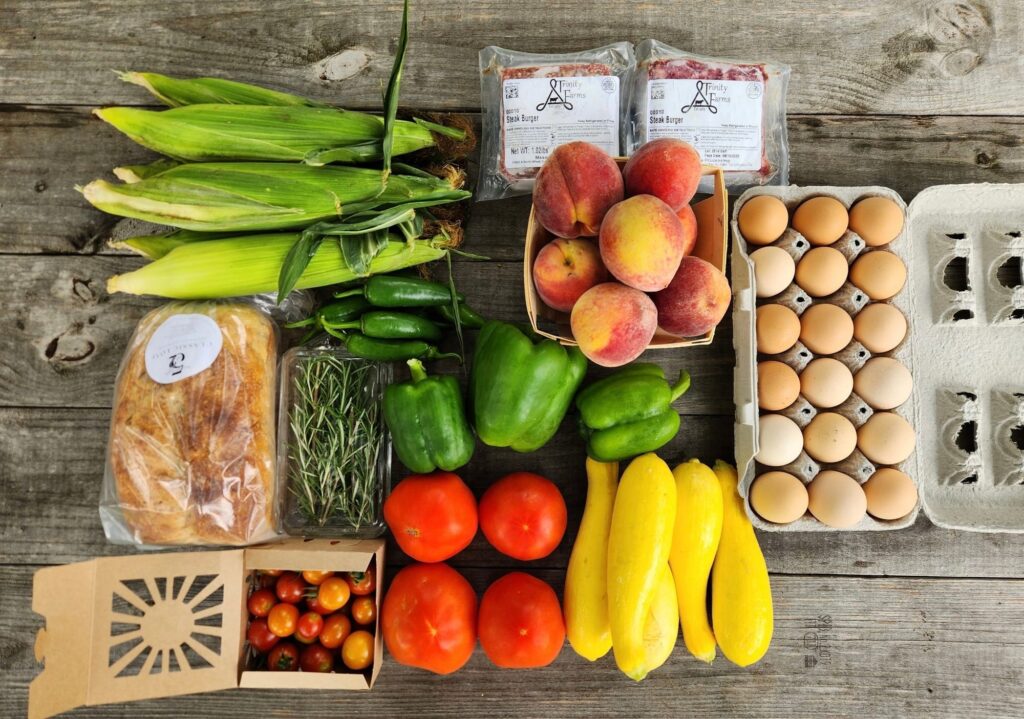
CSA stands for Community Supported Agriculture. While CSA programs vary from farm to farm, the basic idea is simple: community members purchase a “share” of a local farm’s harvest and receive fresh, seasonal foods throughout the growing season. In return, local farmers gain a more dependable customer base and stronger connection to the community they feed.
Alabama actually has a long history with the CSA movement, with some of the earliest CSA farms in the United States located right here in our state. Today, CSAs continue to provide families with access to locally grown foods while strengthening relationships between farmers and the communities they serve.
Photo courtesy of Howling Fresh Farm.
Our CSA, Howling Fresh Farm, is a family-owned small farm in Huntsville. Their 2026 CSA runs from March through December and provides biweekly shares of seasonal, hand-harvested vegetables. Depending on the membership and selections, members can also enjoy locally produced fruit, pasture-raised eggs, bread, honey, meats, and other products from local farmers and artisans.
What I didn’t fully appreciate before joining a CSA was how much more we would receive than a box of vegetables.
We received an experience.
The Farm Box Became a Challenge
Every two weeks, opening our CSA order became a little bit like opening a mystery box.
What did we get?
What exactly is this?
Have we eaten it before?
And, most importantly: What are we going to do with it?
Even though my children were already somewhat adventurous eaters, the CSA pushed all of us outside of our normal grocery-shopping habits. There is a big difference between walking through the grocery store and automatically reaching for the same familiar vegetables and having a bag of beautiful farm-fresh produce sitting on your counter waiting for you to figure it out.
Suddenly we were searching for recipes, experimenting with cooking methods, tasting foods raw and cooked, pickling vegetables, roasting things we had never roasted before, and deciding together what we liked—and sometimes what we definitely didn’t.
As someone who works in child development and nutrition education, I loved watching the learning happen naturally.
From 10 to 18: Everyone Found a Favorite
One of the most interesting parts of the experience has been seeing how differently my children—my 10-year-old and my two now-18-year-olds—approached the food.
My 10-year-old, Tye, often reminded me that fresh food doesn’t have to be complicated. Some of his favorites required absolutely no recipe at all. He happily ate cherry tomatoes, cucumbers, and peaches exactly as they came—fresh and raw.
And according to him, our CSA provided “the best cantaloupe” he had ever eaten.
There is something pretty powerful about a child discovering that a fruit or vegetable tastes amazing without us having to disguise it, bargain over it, or turn it into something else.
Then there is my 18-year-old, Aiden.
Aiden is an athlete who will be joining the UAH lacrosse team this fall, and our CSA has introduced him to several foods that have quickly become staples.
Perhaps the biggest surprise has been kale.
Roast it until it becomes crispy kale chips and apparently it disappears very quickly in our house.
He has also consumed an impressive number of jars of our homemade pickles, pickled jalapeños, and pickled banana peppers.
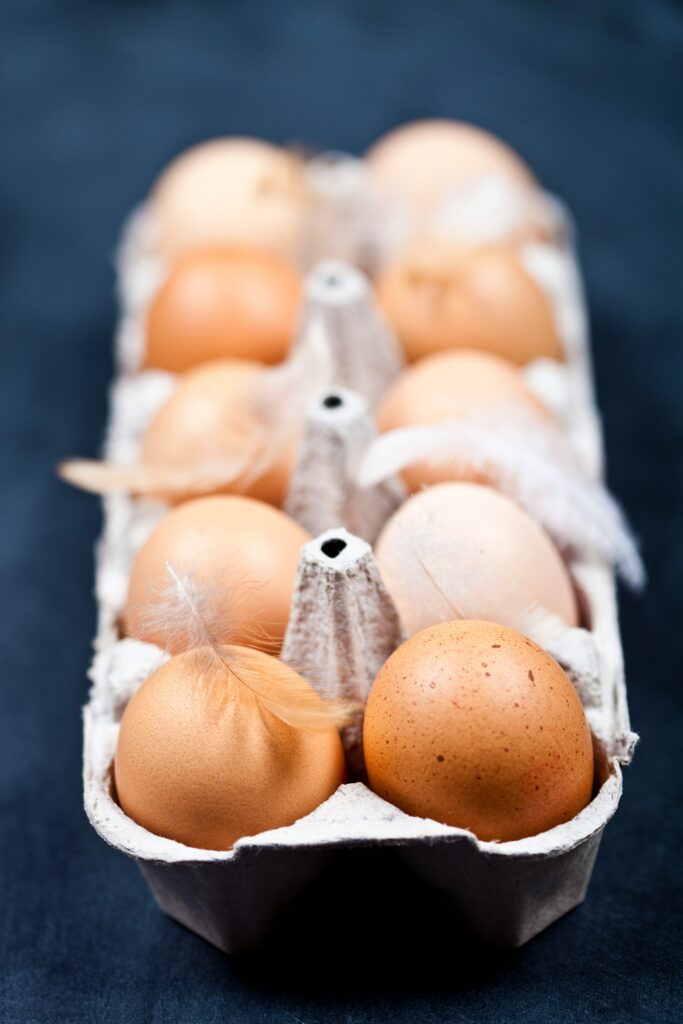
But if you ask him about the best part of the CSA, I suspect the answer might be the farm-fresh eggs.
In fact, the rest of us have barely been allowed to eat them.
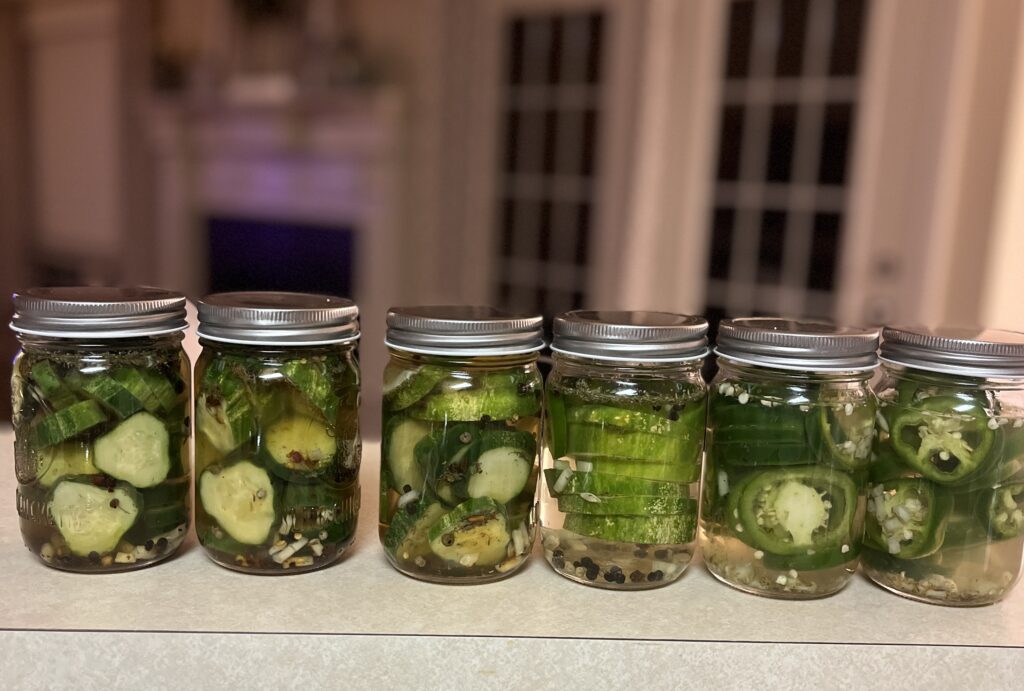
His favorite ways to use them have been soft-boiled with ramen or on top of his avocado toast. Watching an 18-year-old athlete get genuinely excited about farm-fresh eggs is a pretty good advertisement for local food all by itself.
The Foods Everyone Agreed On
With three kids, unanimous food approval isn’t always easy to achieve.
But we found some winners.
Fried okra was a hit.
So were roasted Parmesan green beans.
Fresh corn on the cob didn’t need much convincing either.
We also experimented beyond simply preparing vegetables as side dishes. We made homemade pasta sauce and salsa, both of which were family favorites and helped turn the ingredients we received into an even bigger cooking experience.
For me, two dishes rose to the top.
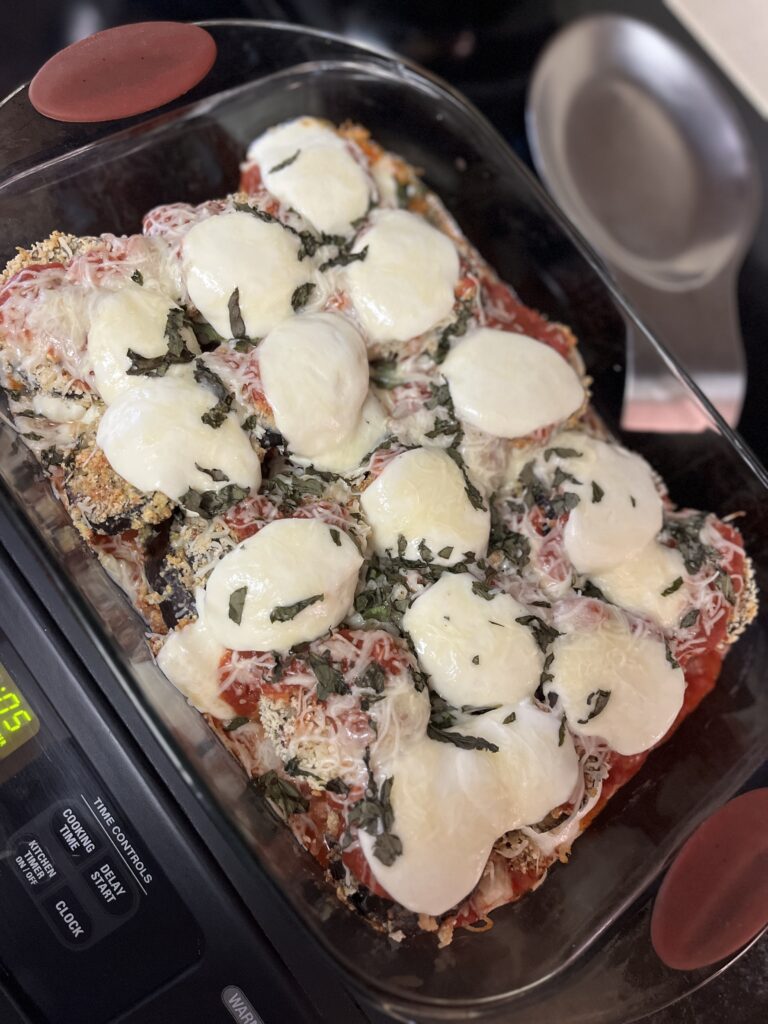
The first was eggplant Parmesan. Eggplant isn’t necessarily something I would have routinely put into my grocery cart, but having it available encouraged me to experiment with different ways of preparing it. Eggplant Parmesan quickly became one of my personal favorites.
The other was much simpler: a fresh cucumber, tomato, and bell pepper salad. When produce is truly fresh and in season, sometimes the simplest preparation really is the best.
And Then There Were the Turnips…
One of my favorite moments of this entire experience involved something far less glamorous:
Turnips.
We roasted them.
Then the kids actually ate them.
More importantly, they started discussing them.
“They kind of taste like potatoes.”
That moment perfectly captured what I love about this experience.
Nobody had to love turnips. That wasn’t the goal.
They tried them.
They compared the taste and texture to a familiar food. They thought about what they were eating. They developed an opinion based on actually experiencing the food.
From a developmental and nutrition education perspective, that is a win.
Food Exposure Is About More Than “Eating Your Vegetables”
Working with children and educators has taught me that we sometimes make healthy eating much more complicated than it needs to be.
Children don’t necessarily need a lecture about nutrition.
They need experiences with food.
They need opportunities to touch it, smell it, prepare it, cook it, taste it, talk about it, and see the adults around them doing the same.
They also need repeated opportunities to encounter foods without every tasting becoming a battle over whether they cleaned their plate.
A CSA naturally creates those opportunities.
Instead of saying, “You need to eat more vegetables,” our conversations became:
“What should we make with this?”
“Should we roast it?”
“What would happen if we pickle it?”
“Do you think this will taste like a potato?”
“Let’s try it.”
That is food education happening around the kitchen counter.
The Benefits Reach Beyond Our Kitchen
There is another reason I have come to appreciate the CSA model so much.
When families participate in Community Supported Agriculture, we aren’t only purchasing food. We’re investing in our local food system.
We’re learning what grows in Alabama during different seasons. We’re becoming more aware of where our food originates. We’re supporting farmers and other local producers. And our children begin to understand that food doesn’t simply appear on a grocery store shelf.
Howling Fresh Farm describes CSA membership as a way to support the farm’s operations while receiving a share of its harvest, discovering new foods, supporting local producers, and learning to eat seasonally. That description matches our experience remarkably well.
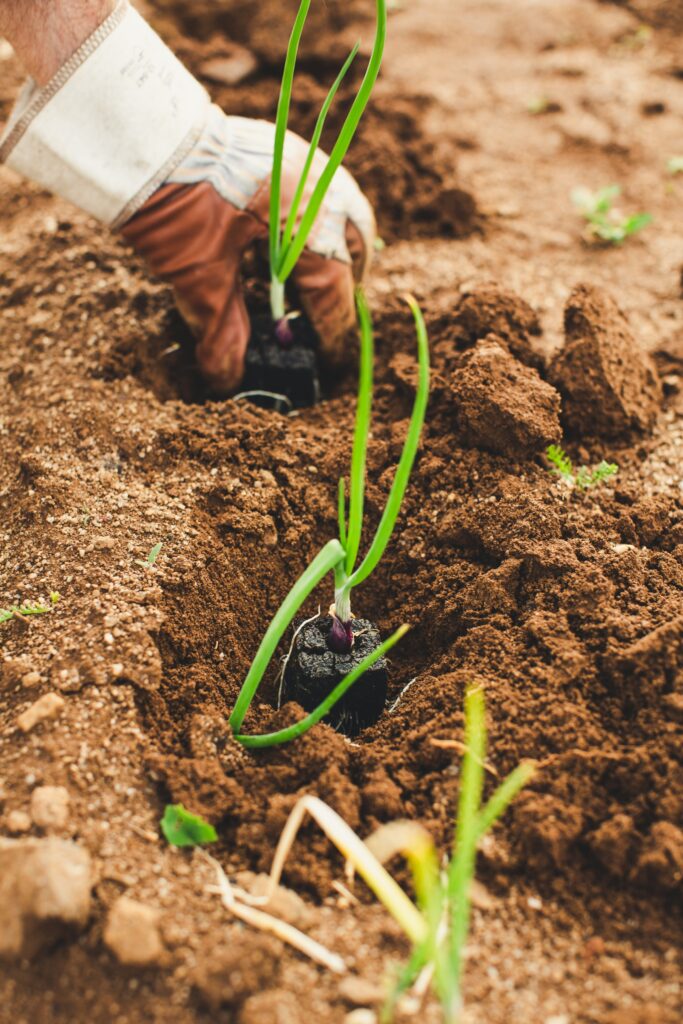
Their program has also made participation practical for families. Their 2026 CSA offers biweekly shares, pickup locations and home delivery in several North Alabama communities, the ability to skip an order when needed, and opportunities to add additional local products.
What I Have Learned as a Mom and Nutrition Educator
Professionally, I already knew the value of food exposure, family engagement, experiential learning, and connecting children with fresh foods.
Our CSA made those concepts personal.
It reminded me that nutrition education doesn’t have to happen through a formal lesson.
Sometimes it looks like an 18-year-old turning kale into chips.
Sometimes it’s a 10-year-old standing in the kitchen eating cherry tomatoes.
Sometimes it’s figuring out what in the world you’re going to do with an eggplant.
Sometimes it’s three kids eating roasted turnips and debating whether they taste like potatoes.
And sometimes it’s realizing the jar of pickled jalapeños you made is already empty.
Our CSA has encouraged us to cook more creatively, learn new skills, eat more seasonally, try foods we might have passed over in the grocery store, and have conversations about food that probably would never have happened otherwise.
And we still have months left in the season.
Would I Recommend Joining a CSA?
Absolutely.
If you have children, I especially encourage you to consider it—not because joining a CSA will magically make every child love every vegetable, but because it creates opportunities.
Let your children help unpack the box.
Look up unfamiliar vegetables together.
Let them choose a recipe.
Taste something raw and then cooked.
Roast it. Grill it. Pickle it. Toss it into pasta. Turn it into salsa.
Talk about what you like and what you don’t. And you don’t have to all agree! A phrase often used here is “Don’t Yuck My Yum” as we can all like different things. We also say a lot of “I dont like_____ YET.” As my children have learned they may try it a few more times later and their opinion changed! Suddenly that Kale was actually a favorite!
And don’t be afraid when something unfamiliar shows up.
That might end up being the best part.
For our family, joining Howling Fresh Farm’s CSA has been about much more than fresh produce. It has connected many of the things I value both as a mother and in my work as a developmental specialist and nutrition educator: healthy food, local agriculture, family experiences, curiosity, learning, and giving children meaningful opportunities to explore.
We’ve eaten incredibly well along the way, too.
Although, if I want any of those farm-fresh eggs, I may need to start hiding a few from Aiden.
For readers who want to learn more, Howling Fresh Farm’s CSA program has the current membership details. Their 2026 program runs March 12–December 18, with biweekly options and locally produced add-ons.
The Encyclopedia of Alabama’s overview of Community Supported Agriculture is also a good Alabama-specific resource on how the CSA model supports both farms and families.