This blog post was written by Christy Brown with Family Guidance Center of Alabama.
How can we, as Early Childhood Educators, effectively teach young children about nutrition, agriculture, and healthy eating?
Through Family Guidance Center of Alabama, in connection with Alabama Healthy Kids, Healthy Future, Early Childhood Educators have learned how to create and promote healthy environments where children can explore food, develop healthy eating habits, and build a foundation for lifelong wellness.
Our teacher training is a “how to” guide for turning something as simple as a seasonal fruit or vegetable into a week-long adventure linking food to health, culture, agriculture, ecology, art, and academic learning.
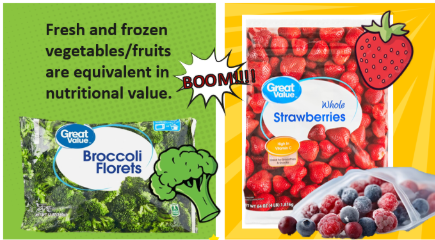
Teachers have an opportunity to shape how young children view food, how it fuels their bodies, helps them play and learn, and supports their health and development over time.
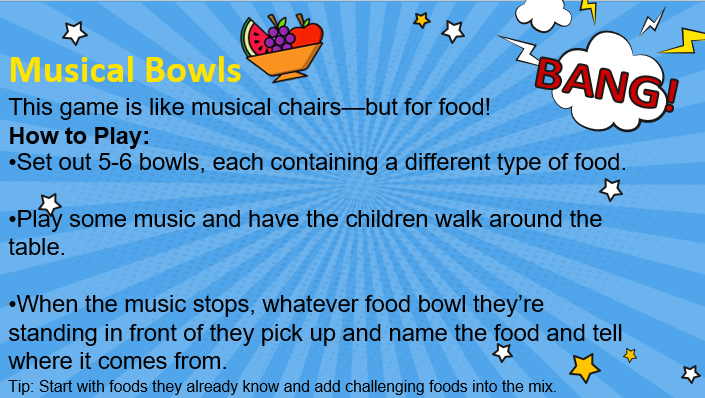
Early Childhood Educators can provide learning experiences with hands-on lesson plans and food exploration. Children explore new ideas through active games, sensory play, art projects, and stories. They learn early math, science, gardening, and simple cooking skills. These fun activities also teach important food safety and healthy hygiene habits.
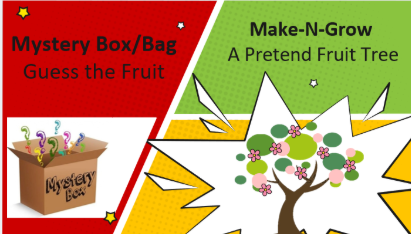
By introducing nutritional concepts, exposing children to local and seasonal items, agricultural origins, and child-friendly gardens, teachers use food education activities to comprehensively support children’s cognitive, social-emotional, physical, linguistic, and early mathematical and scientific development.
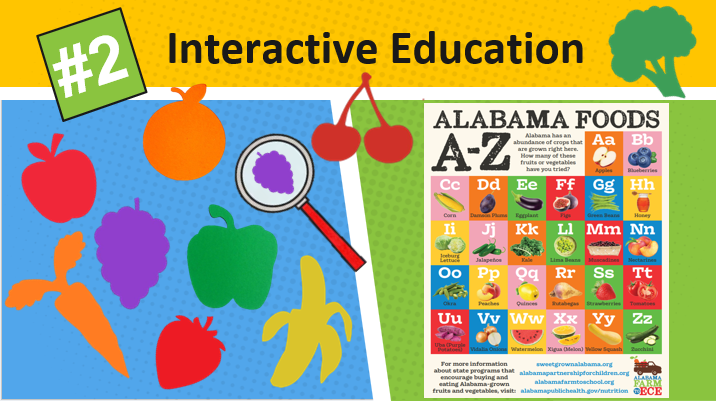
For Early Childhood Educators, food education provides a fun and meaningful way to nurture the whole child—one bite, one garden, one lesson, and one discovery at a time.