
By Alicia Jordan, Boots on the Farm Consulting LLC
December invites a gentle shift in the rhythm of early childhood classrooms. The air becomes cooler, the daylight fades earlier, and many outdoor gardens begin their winter rest. Yet even as the soil quiets, children’s natural curiosity remains wide awake. Farm to Early Care and Education (Farm to ECE) continues during the winter months, it simply takes on a new, more reflective form.
Winter offers a meaningful opportunity to teach young children about seasonal cycles, the importance of rest, gratitude, and the story of where food comes from. Even without planting or harvesting, children can explore farm concepts through thoughtfully designed indoor activities, sensory play, simple cooking experiences, and rich conversations.
Helping Children Understand Seasonal Rest
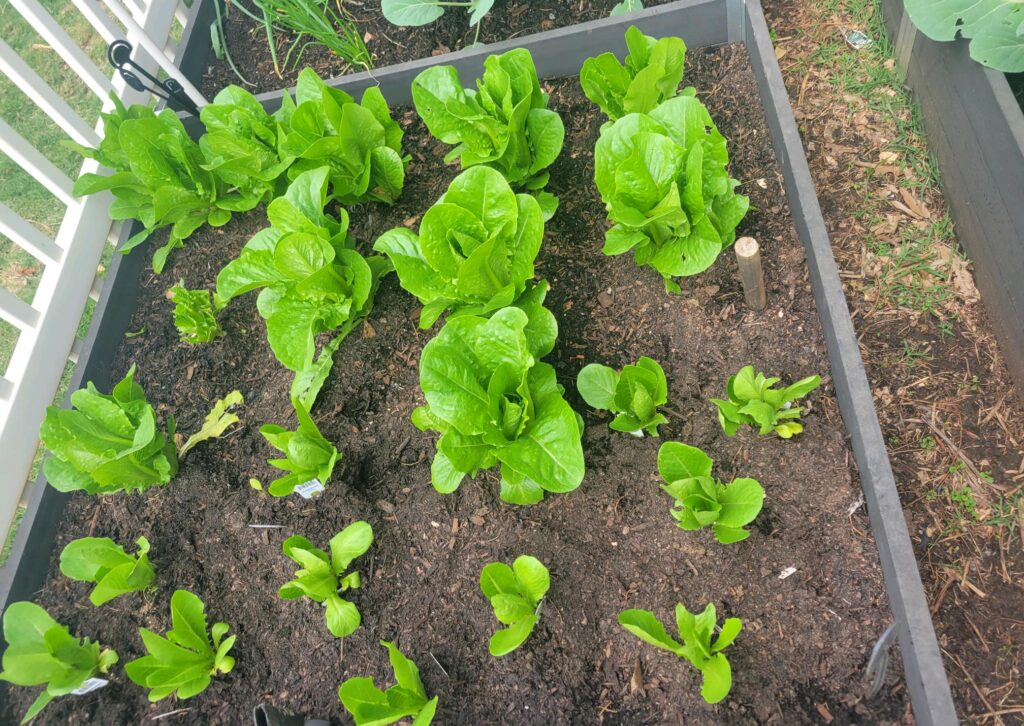
Many Alabama childcare centers plant fall crops such as greens, sweet potatoes, or cool-season herbs. By December, those garden beds may be slowing down or preparing for winter cleanup. This seasonal change creates a wonderful moment to help children understand that gardens need rest just like people do.
Teachers might introduce these ideas through simple, developmentally appropriate language:
- “The garden worked hard growing food. Now it’s resting for a new season.”
- “Plants need time to sleep so they can be strong in spring.”
- “Farmers also use this time to think, plan, and take care of their animals.”
These statements help children build early science knowledge and develop awareness of the natural rhythms that guide food and farming.
Bringing the Farm Indoors
Even when outdoor time is limited, Farm to ECE learning can continue inside the classroom. Winter is the perfect time to introduce farm-themed activities that nurture sensory exploration, imaginative play, and hands-on learning.
Sensory Play
Create bins using dried beans, clean straw, scoops, plastic vegetables, or small farm animal figures to encourage tactile exploration.
Dramatic Play
Transform a corner of the classroom into a mini “Farmers Market” stocked with baskets, pretend produce, play money, and reusable bags to support social and language development.
Story Time
Select books featuring farms, winter animals, seasonal changes, or root vegetables to enhance vocabulary and spark conversations.
Food Experiences
Offer tasting opportunities using local winter foods such as sweet potatoes, greens, apples, or radishes. Encourage children to explore through touching, smelling, observing, and tasting.
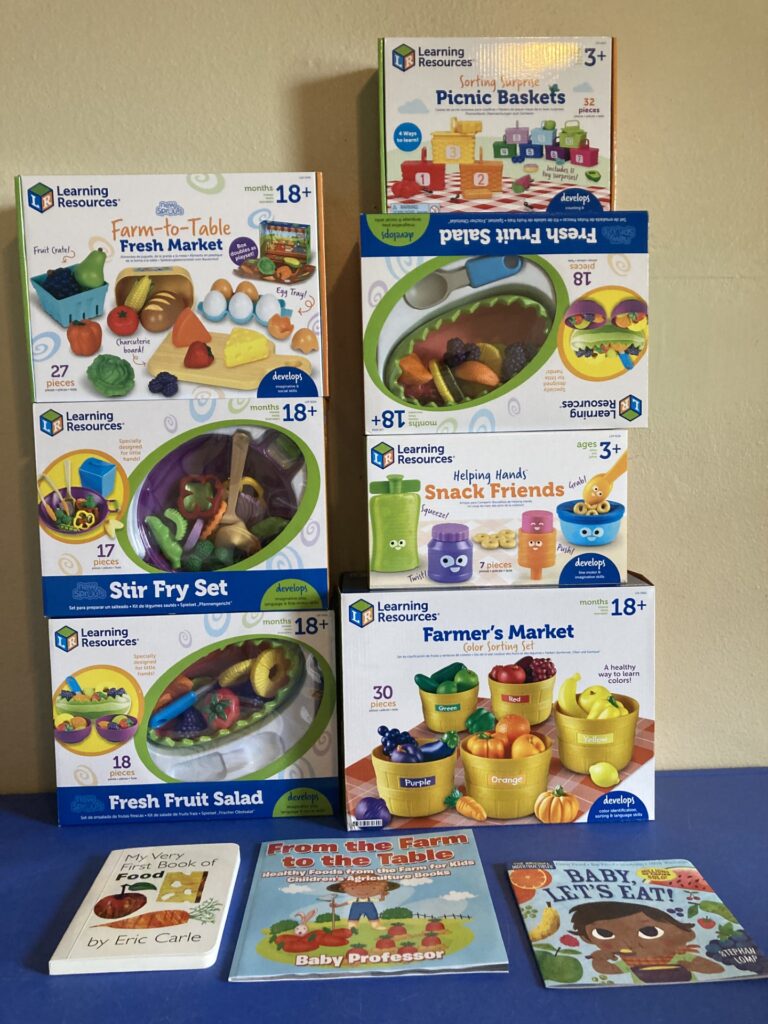
These experiences help children strengthen vocabulary, build confidence, develop sensory awareness, and form positive connections with wholesome foods.