Written by Alicia Jordan, Boots on the Farm Consulting
October is one of my favorite times to introduce young learners to agriculture. The weather begins to cool, the colors around us start to change, and there are so many opportunities to bring the farm into the classroom.
Farm to ECE does not have to be complicated. With young children, some of the best learning happens when they can touch it, smell it, see it, and explore it for themselves.
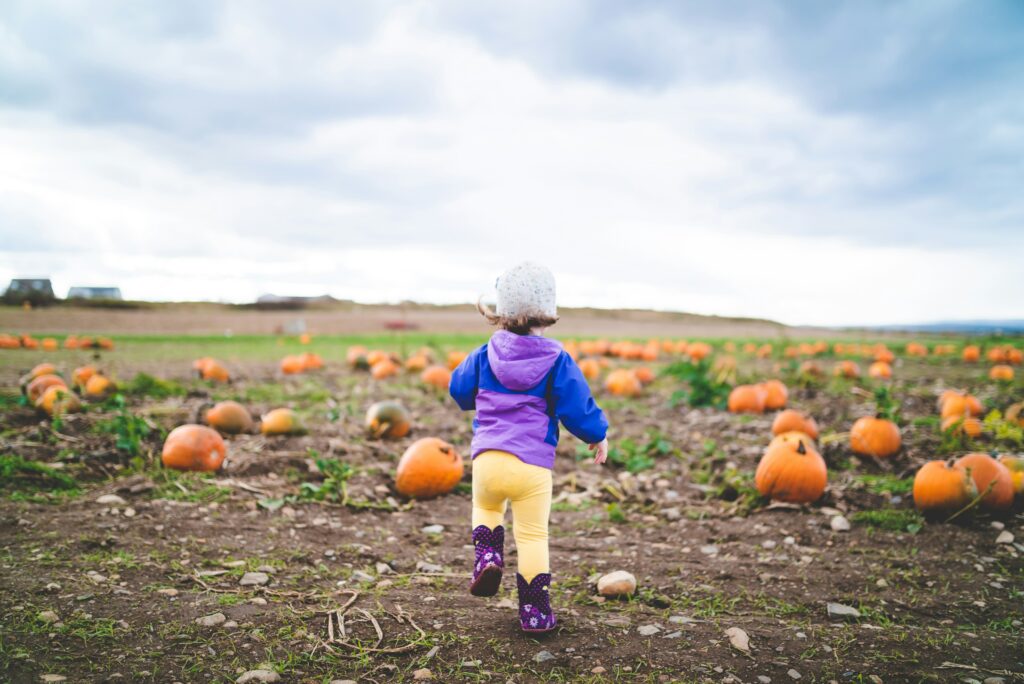
This month, pumpkins are a great place to start. Instead of only using pumpkins as decorations, let children investigate them. Let them feel the rough stem and smooth skin. Talk about the different colors, shapes, and sizes. Cut one open and allow children to see the seeds and stringy inside. Ask simple questions like, “What do you think is inside?” “Is your pumpkin heavy or light?” and “Where do pumpkins grow?”
You can even save the seeds for another lesson. Young learners can count them, sort them, compare sizes, or learn that one tiny seed can eventually grow into a whole pumpkin plant.
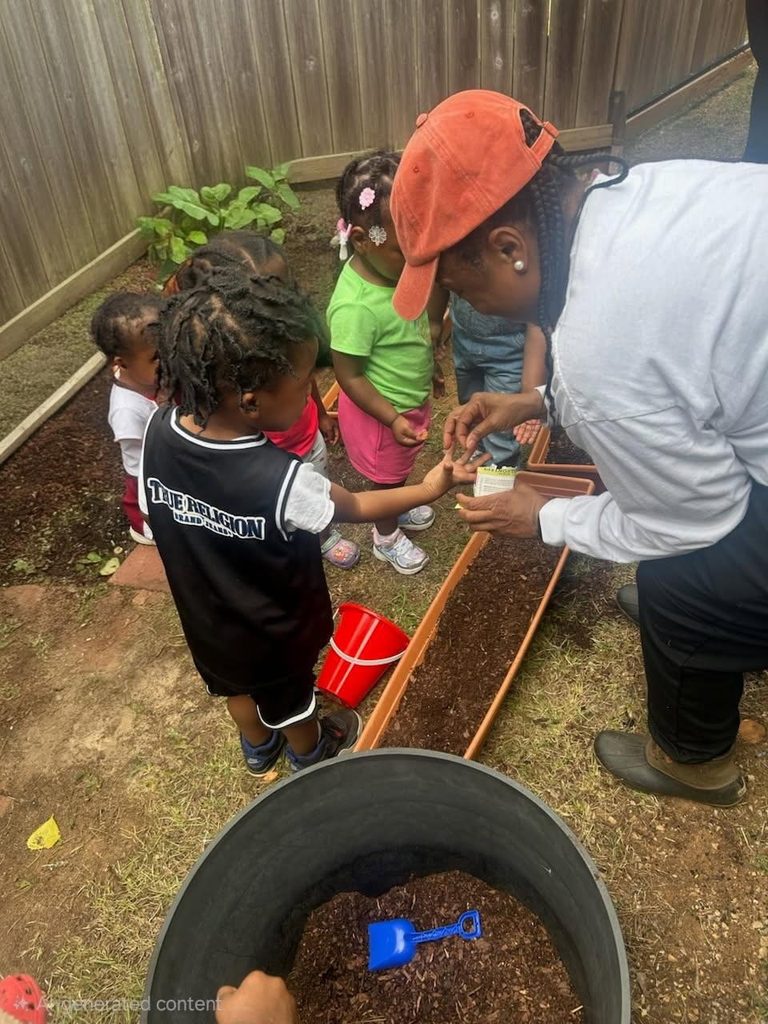
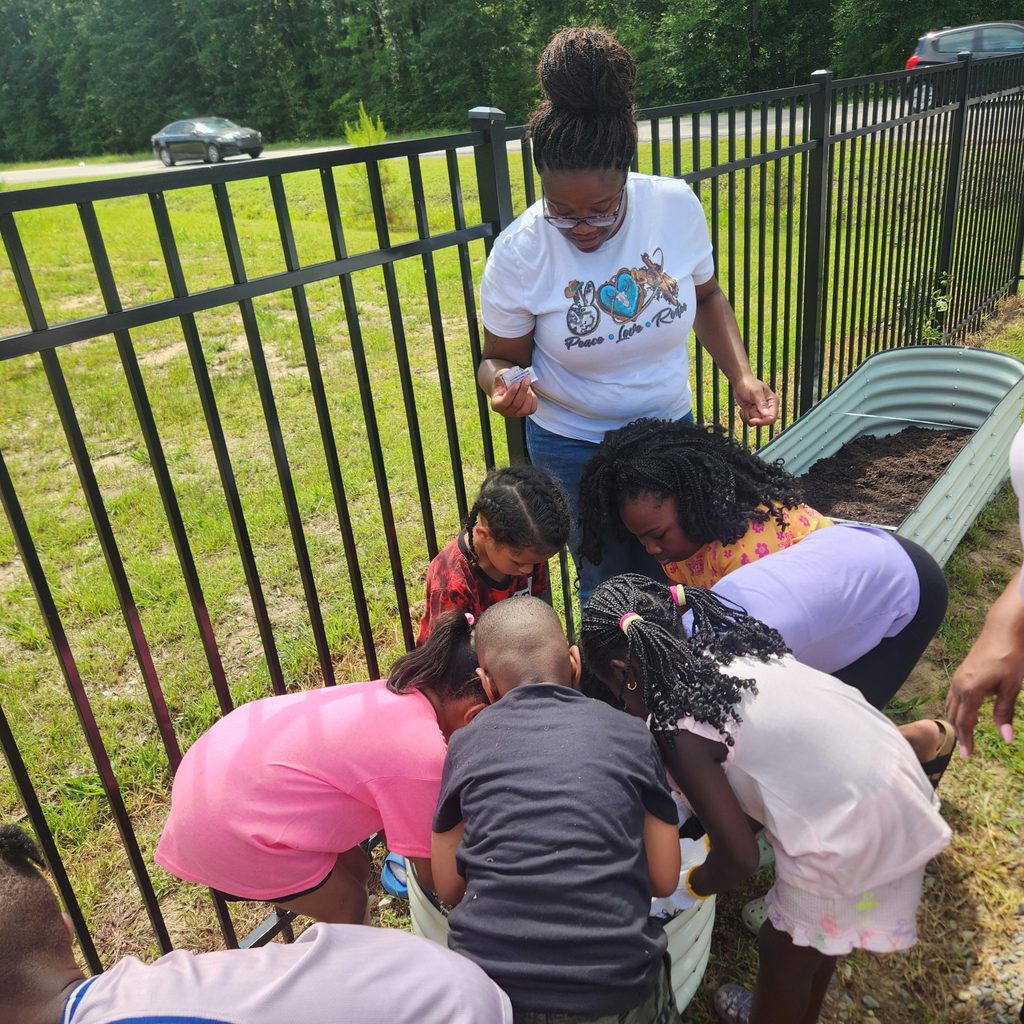
October is also a wonderful time to introduce children to other fall foods such as sweet potatoes, collard greens, apples, squash, and turnips. Let children explore these foods before tasting them. For a two- or three-year-old, simply holding a sweet potato, smelling an apple, or touching a collard green leaf is part of learning.
That is what I love about Farm to ECE. We are not just teaching children the names of fruits and vegetables. We are helping them make the connection between the food, the farmer, the soil, and their own community.
Try This: Our Little Fall Farm
Create a small “fall farm” exploration area in your classroom. Add a pumpkin, sweet potato, squash, dried leaves, seeds, child-safe gardening tools, and pictures of local farms or farmers. Allow children to explore the items during the week while teachers introduce simple words such as seed, soil, grow, farm, harvest, and farmer.
Remember, our youngest learners do not need a long lesson about agriculture. They need the opportunity to experience it.
Let them touch it. Let them ask questions. Let them taste it. Let them grow something.
Those small experiences are how we begin planting much bigger seeds.