Written by Alicia Jordan, Boots on the Farm Consulting
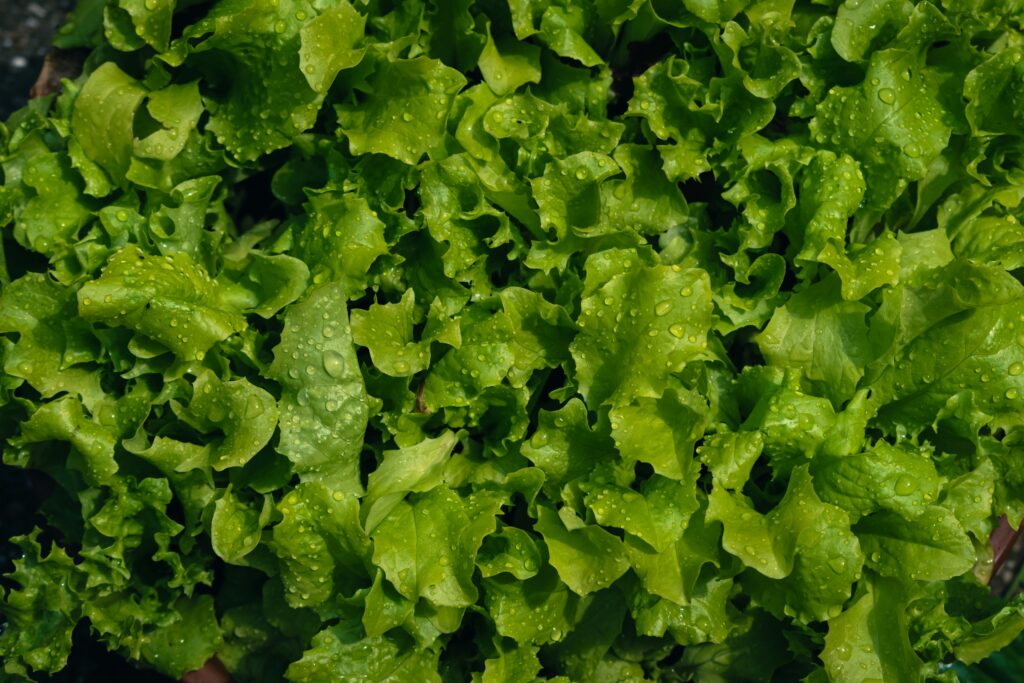
November is a great time to get our little ones involved in gardening. Just because the weather is getting cooler does not mean our gardens have to stop growing. Here in Alabama, we can still grow some wonderful vegetables during the fall months, and lettuce is one of my favorites to introduce to young children.
One thing I enjoy about Farm to ECE is giving children the opportunity to see where their food comes from. Many children see lettuce in a bag at the grocery store or on their plate but have never had the opportunity to watch it grow.
This is where our childcare gardens can make a difference.
Planting lettuce does not have to be complicated. You do not need a large garden. A small raised bed or even a container can give children the opportunity to plant, water, observe, and eventually harvest something they helped to grow.
When we allow children to participate in the growing process, we are doing more than teaching them about vegetables. We are teaching patience, responsibility, and the importance of caring for something.
Let’s Grow Some Lettuce!
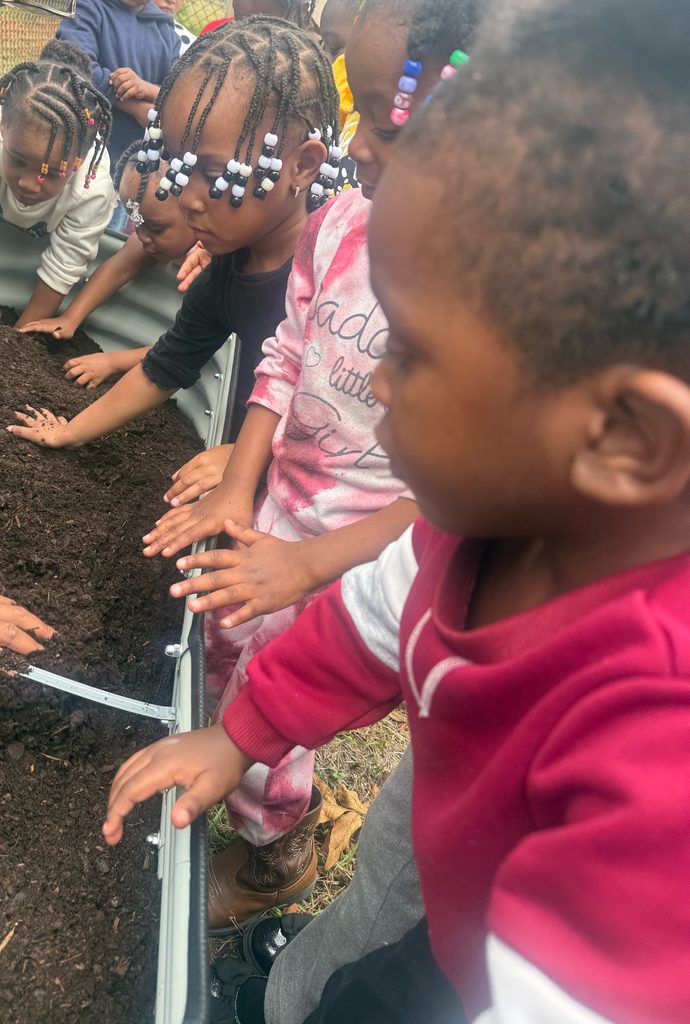
Start by allowing the children to help prepare the soil. Let them touch the soil, look at the lettuce seeds, and talk about what a plant needs to grow.
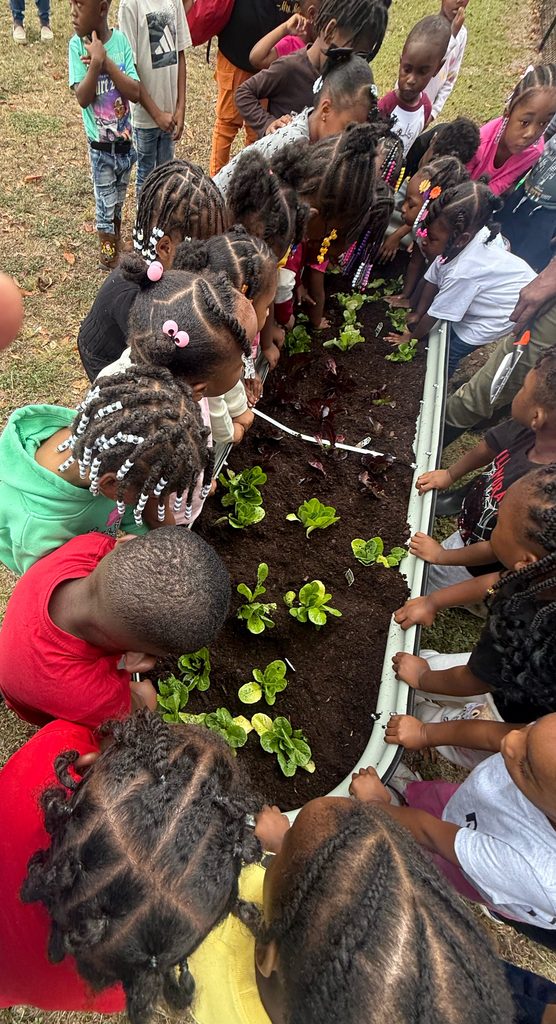
With assistance, children can sprinkle lettuce seeds into the soil, lightly cover them, and help water the garden.
Over the next several weeks, encourage the children to visit their lettuce regularly. Ask simple questions.
What do you see? Has our lettuce grown? What color are the leaves? Does our plant need water?
These small conversations create wonderful learning opportunities.
From Our Garden to Our Salad Bowl
Now comes one of my favorite parts. Harvest time!
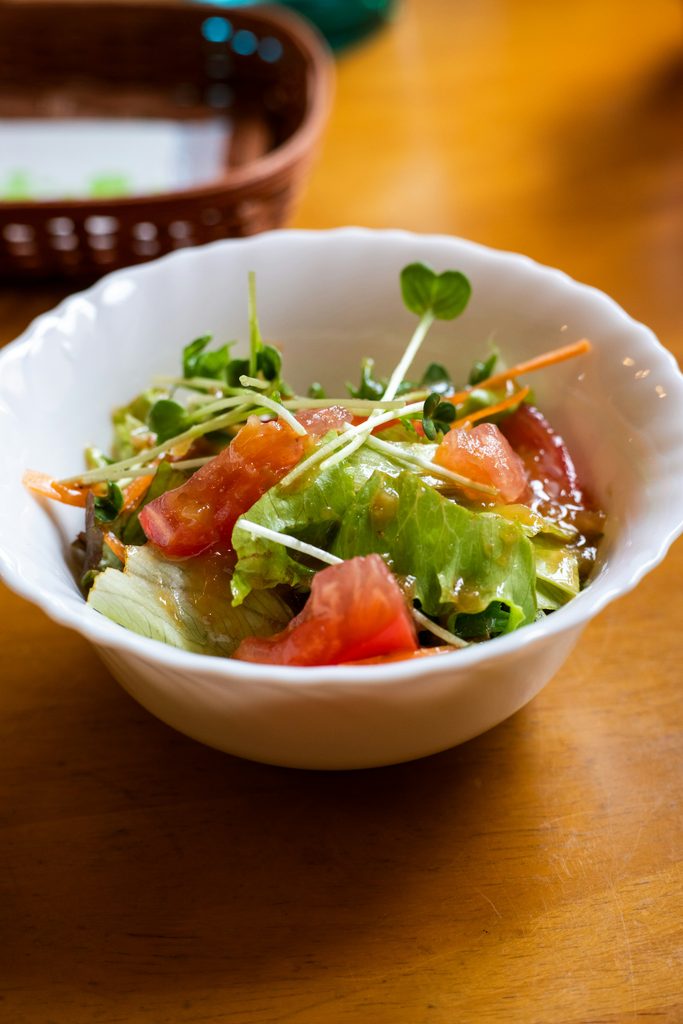
Once the lettuce is ready, allow the children to help pick the leaves. After an adult properly washes the lettuce, bring it into the classroom and prepare a simple garden salad.
You can add other vegetables such as cucumbers or tomatoes if they are available.
Give the children an opportunity to observe the different colors, textures, and smells before tasting their salad.
Some children may love it, and others may not want to try it right away. That is okay. The goal is to provide exposure and encourage them to explore healthy foods without pressure.
A Simple Classroom Activity: My Little Salad Bowl
Materials: Fresh lettuce from the garden, a large bowl, child safe utensils, additional washed vegetables if available, and individual serving bowls.
Activity:
Allow the children to tear the clean lettuce leaves into smaller pieces using their hands. This is a wonderful fine motor activity.
Have the children place the lettuce into a large bowl and take turns gently mixing the salad.
Talk about the colors and textures as they work.
Once the salad is ready, serve a small portion to each child who wants to try it, following your center’s food safety and allergy procedures.
Growing More Than Vegetables
Farm to ECE is not just about planting a garden. It is about creating experiences that connect our children to agriculture, healthy foods, and the world around them.
Something as simple as growing lettuce and making a salad can introduce science, math, language development, sensory exploration, and healthy eating all in one activity.
And the best part is that the children get to say, “I helped grow that!”
Sometimes the smallest garden experiences create the biggest learning opportunities.
Growing People. Growing Food. Growing Farms.
Boots on the Farm Consulting, LLC
Farm to Early Care and Education