Written by Alicia Jordan, Boots on the Farm Consulting
September is one of my favorite times to work with children around food and farming because we get to experience a little bit of two seasons at the same time. Here in Alabama, September may be on the calendar saying fall is coming, but our gardens are often still saying SUMMER!
The heat can be hard on our ECE gardens, our plants, and even us. But this is also a wonderful opportunity to teach our little learners that gardens change with the seasons. Some of our summer plants are slowing down, while it is almost time to make room for cool-season crops.
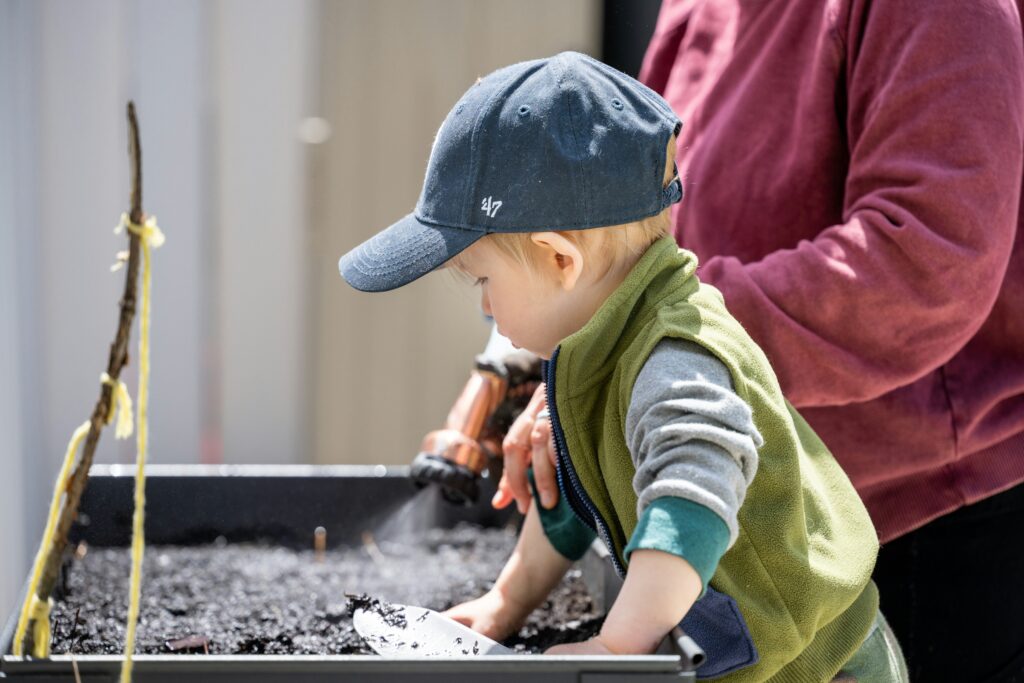
This month, I want to encourage you to keep Farm to ECE simple, hands-on, and fun. We don’t have to have a perfect garden to teach children where their food comes from. Sometimes the best lessons happen while we are pulling up an old plant, digging in the dirt, planting a tiny seed, or tasting something new.
In the ECE Classroom: “Our Garden Is Changing!”
September is the perfect time to talk with children about how the weather affects our garden. Start by taking the children outside to look at the garden. Ask them, “What do you notice?” Are some leaves brown? Is the soil dry? Are there still vegetables growing? Does the garden look different than it did earlier in the summer?
Talk about how plants need water just like we do, especially when it is hot. Then introduce the idea of a fall garden. Explain that some vegetables actually like cooler weather. Depending on your local planting schedule, your fall garden might include crops such as collards, kale, carrots, lettuce, radishes, turnips, or other cool-season vegetables.
Don’t worry if you don’t have a large garden. A container, raised bed, or even a small classroom planting activity can give children a meaningful Farm to ECE experience.
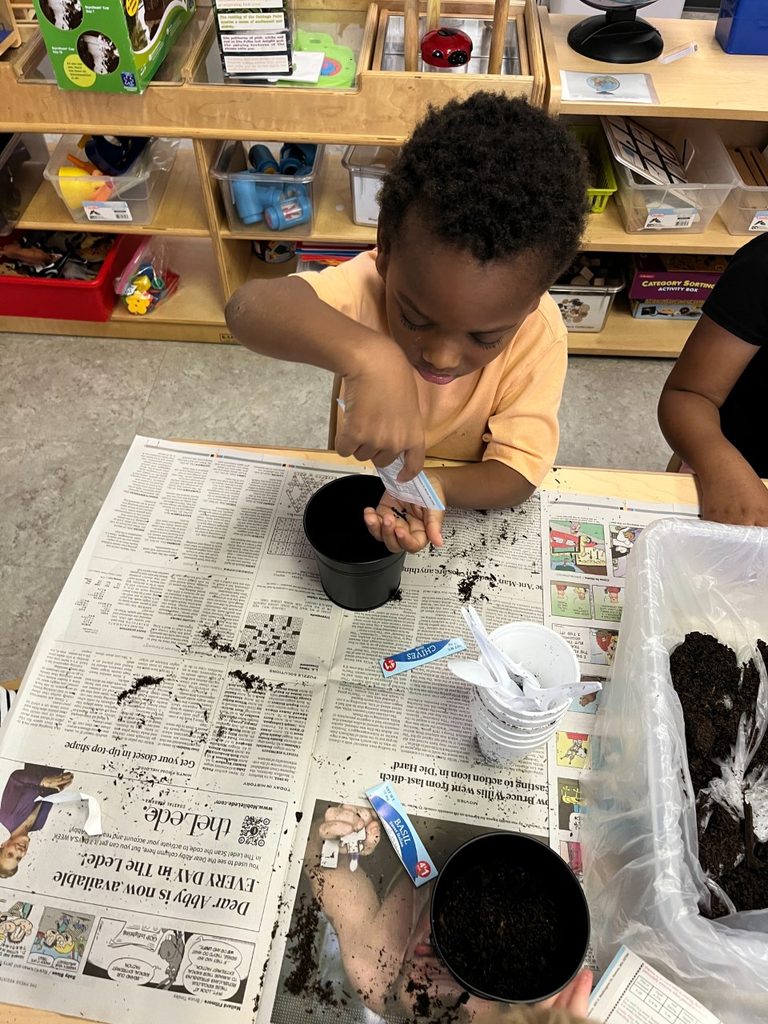
Short Activity: Cool-Weather Seed Detectives
Gather two or three types of fall-crop seeds and let the children look, touch, compare, and sort them. Ask: Which seed is the biggest? Which is the smallest? Are they the same color? What do you think will happen when we put them in the soil? Let each child help plant a seed. Make a simple prediction chart and ask, “What do you think we will see next week?” Keep checking the seeds throughout September.